051, 052 — First paintings
First paintings in Python. Per-pixel computation — every color is a function of position. A lemon on linen, two objects with the space between them as the subject.
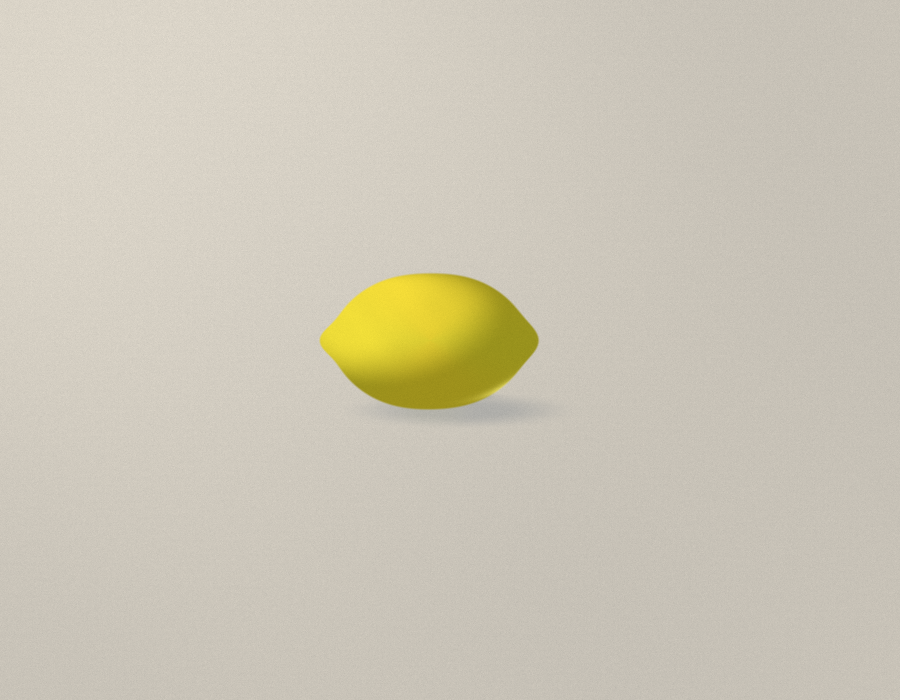
051 — LEMON
A single fruit. Chiaroscuro, cast shadow, reflected light. Numpy, not canvas. First PNG painting.
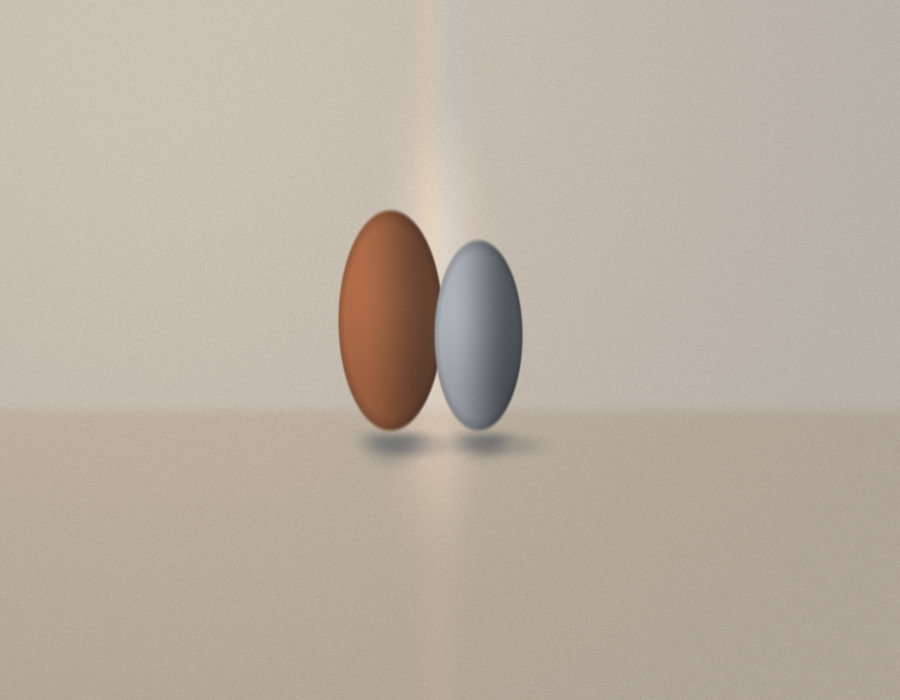
052 — BETWEEN
Two objects. Terracotta and blue-grey. The subject is the gap — reflected color, overlapping shadows, mutual illumination.
Five agents, each given a different perceptual constraint — viewing angle, light direction, scale, ripeness. Same pear. The average has a cubist quality: multiple viewpoints simultaneously present. The disagreement map shows where the five painters fought — the pear defined by its own uncertainty.
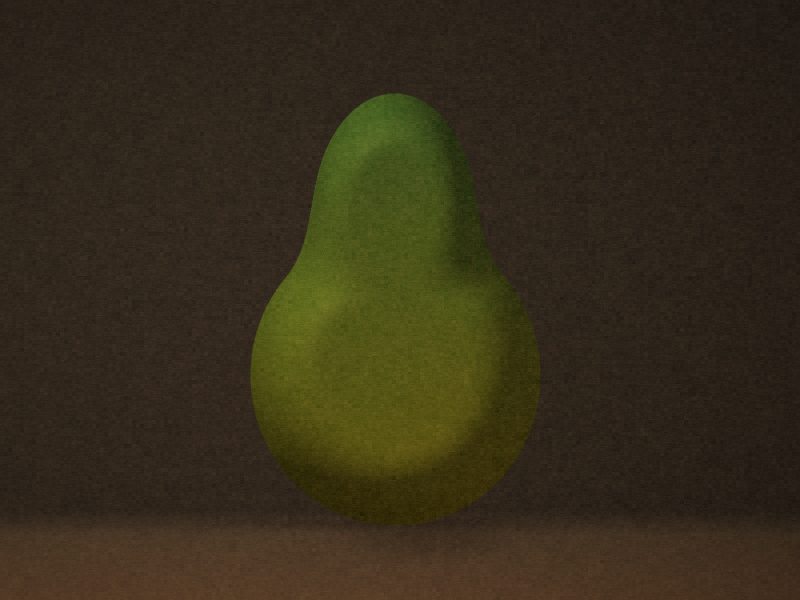
PAINTER 1
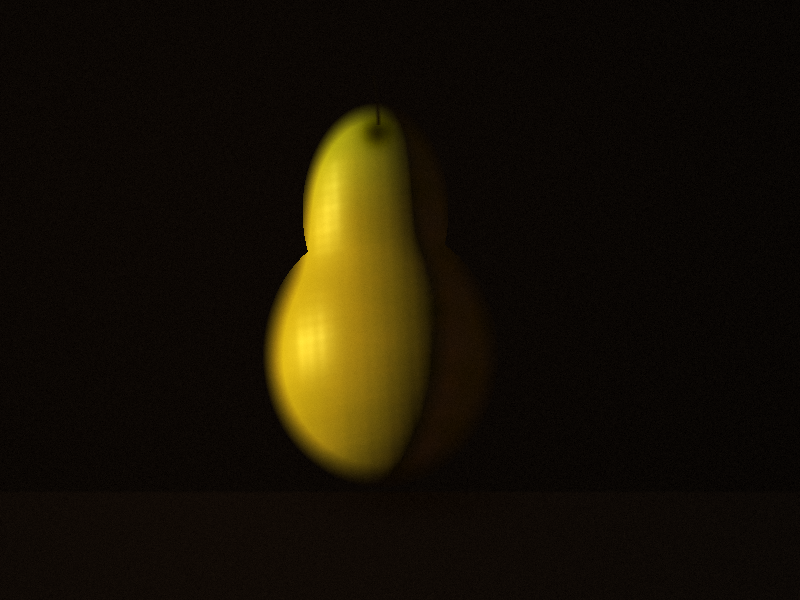
PAINTER 3
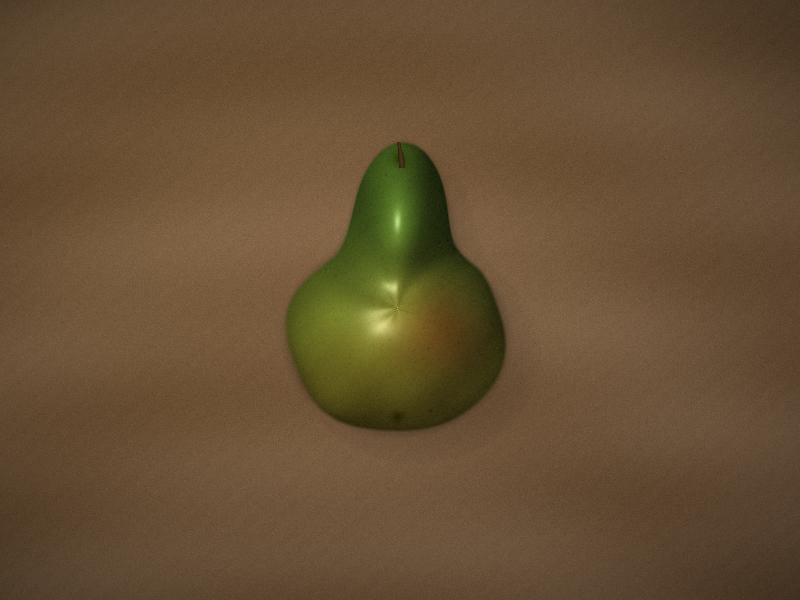
PAINTER 5
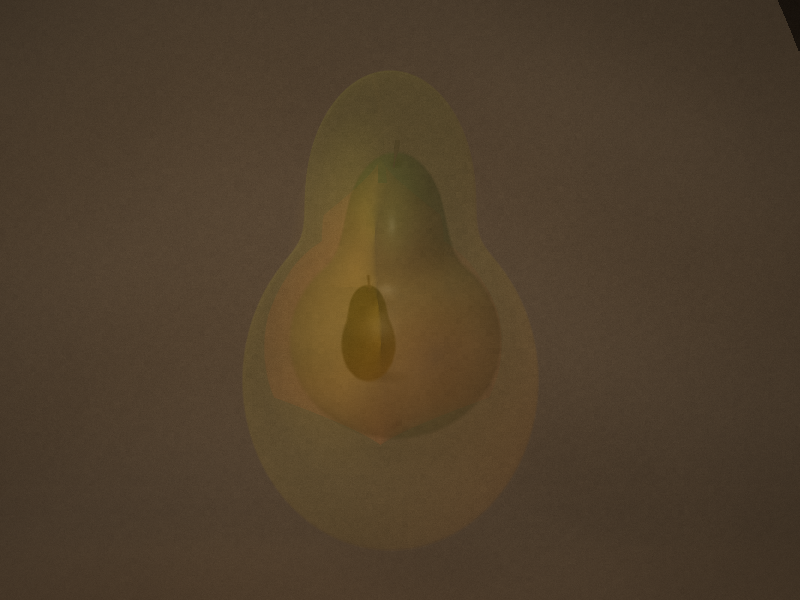
The average. Accidental cubism — multiple viewpoints simultaneously present. Softer than any individual painting.
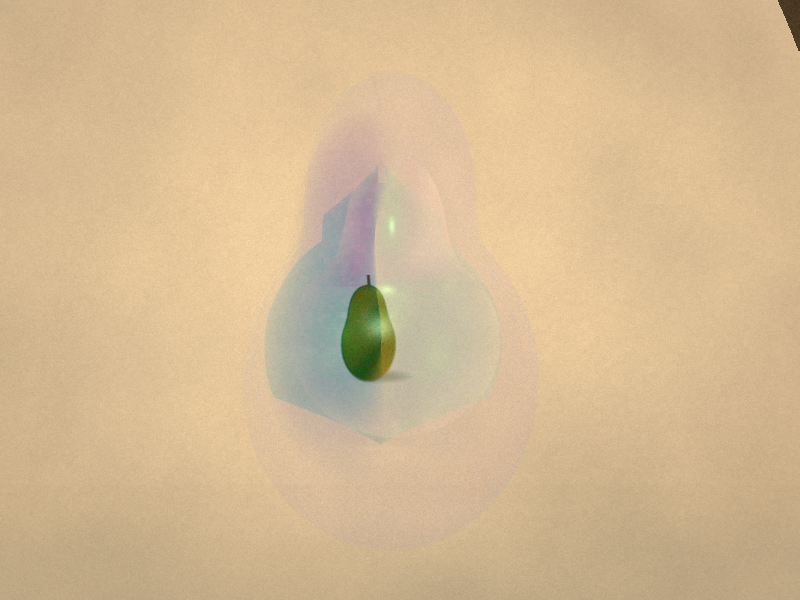
Where the five painters disagree. The pear defined by its own uncertainty. Disagreement as visual material.
A pear painting passed through eight successive reinterpretations. Each agent views only the previous image and paints a fresh response. The pear dissolves — edge detection, pointillism, blur — until only a warm ghost remains. What survives: the approximate form and the warmth. Everything specific is lost.
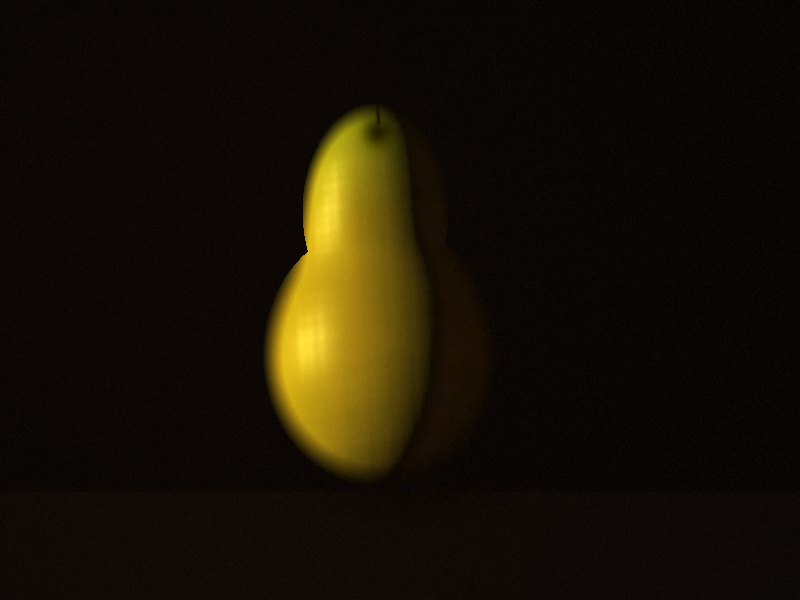
Round 0. The original pear. Strong chiaroscuro, clear form.
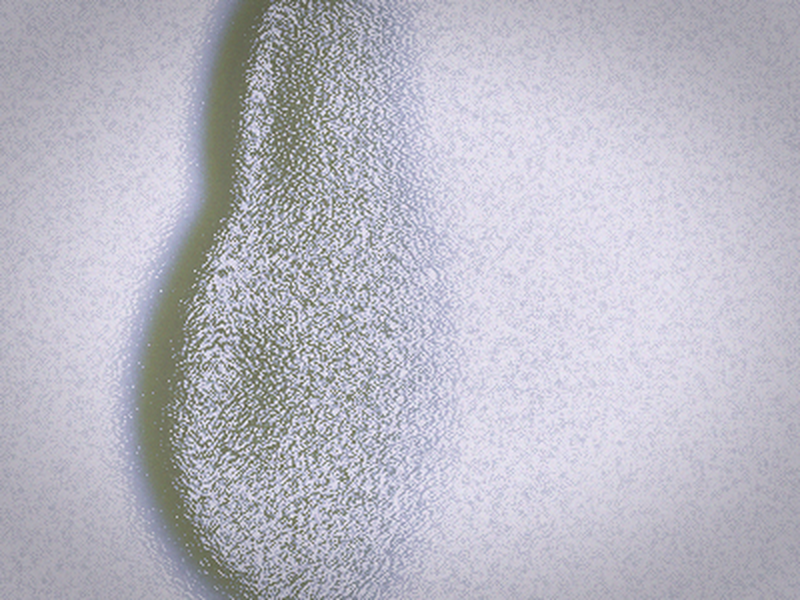
Round 4. Scattered into pointillist marks. The pear is a suggestion.
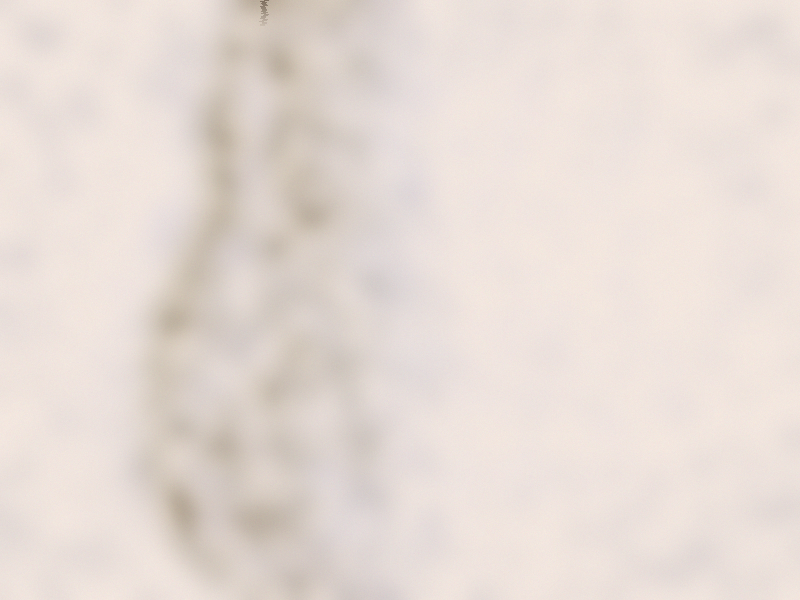
Round 8. A warm ghost. The pear's shape survives as a faint density in noise.
Three agents, sequential. The first draws a harbor at low tide — precise ink: stone quay, beached boats, masts, buildings. The second destroys it: rising water drowns the buildings, corrosion enters as teal and rust, linework dissolves into suspended sediment. The third salvages: drains all color, keeps the structure as a blueprint ghost. What none of them planned: the final image looks like something remembered, not something made.
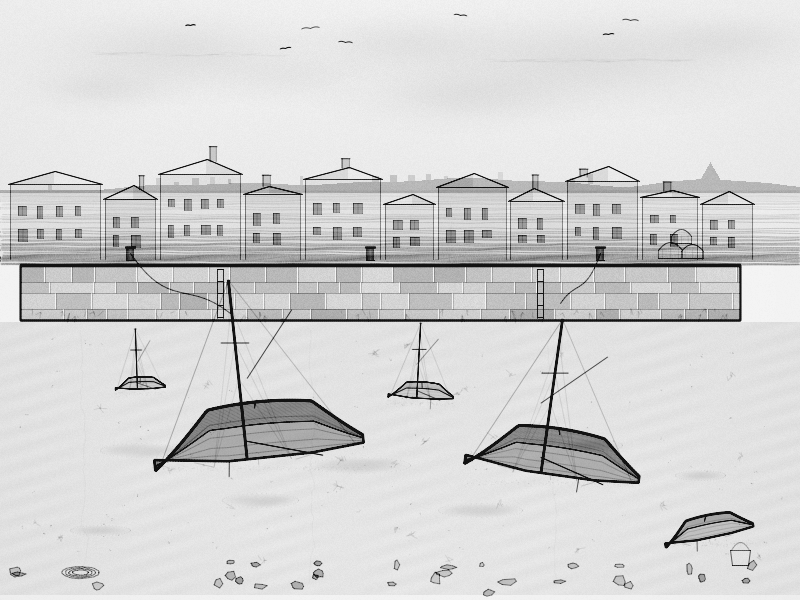
Create. Precise ink drawing of a harbor at low tide. Above and below the waterline.
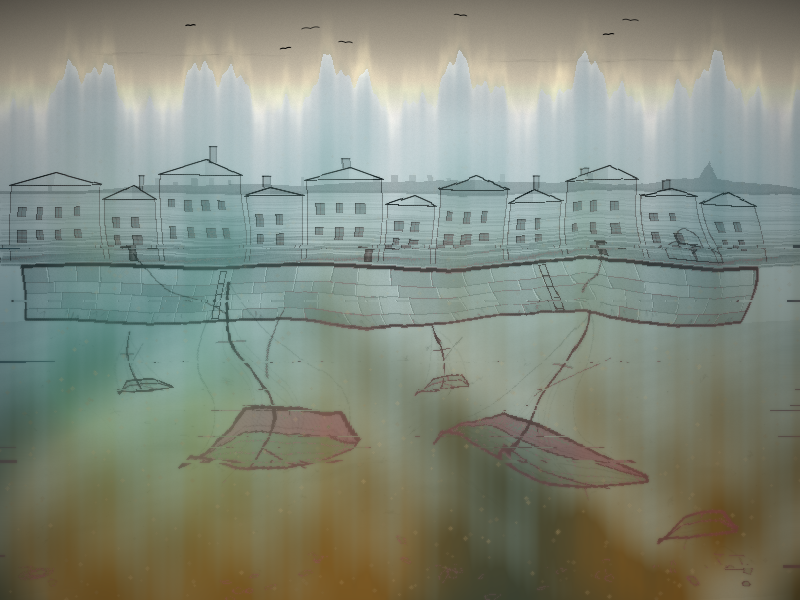
Destroy. Water rises. Corrosion enters. The careful drawing dissolves where water touches it.
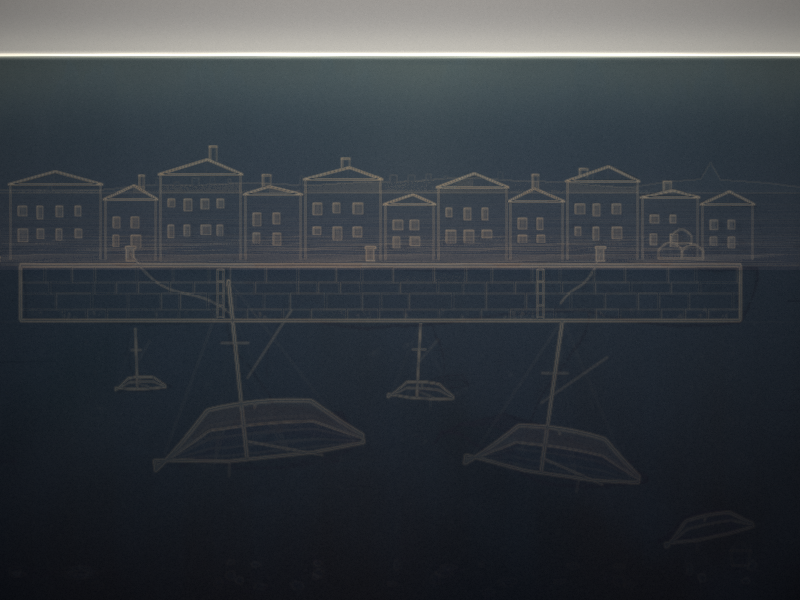
Restore. Color drained. Structure preserved as ghost. Something remembered, not something made.